
What Makes Sabyasachi a Timeless Luxury Brand? Strategy, Storytelling & Market Dominance
Most brands sell products. Sabyasachi sells a feeling. And that feeling starts with storytelling that goes deeper than any advertisement ever could.
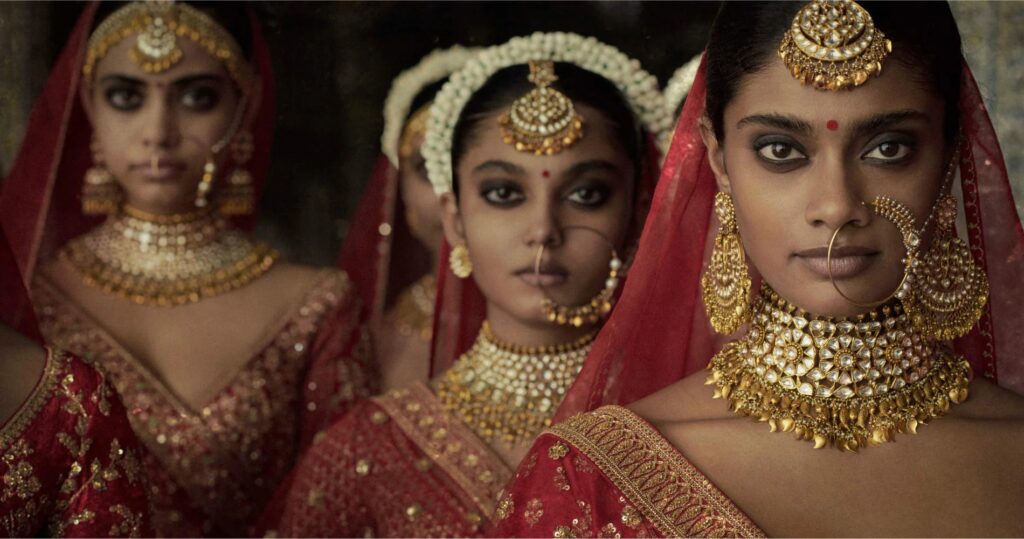
I
f you’ve ever glanced at an Indian bridal dress and instinctively thought “that has to be Sabyasachi,” that’s not coincidence—that’s branding done right.
Sabyasachi Mukherjee hasn’t just built a fashion label; he’s built a mental shortcut in people’s minds. And as a digital marketer, that’s the kind of brand recall I pay attention to.
Coming from a non-fashion background, I tend to evaluate brands based on their strategy rather than their aesthetics. Sabyasachi stands out not only for its design, but also for the clarity with which the brand communicates its identity. In this article, I’ll break it down from a marketing standpoint: what works, why it works, and what we can learn from it.
- Clear Positioning That Leaves No Confusion
Marketing has taught me one thing: you’ve lost the battle before it has started if your target audience has to guess your values.
That is not an issue for Sabyasachi. The brand owns heritage bridal luxury. Sabyasachi stays true to tradition, while designers like Manish Malhotra focus on glitz and Masaba Gupta caters to a younger, more daring crowd.
This clarity facilitates the customer’s decision-making process, which is a significant advantage.
- Storytelling That Builds Connection Before Conversion
One thing that genuinely stopped me while studying this brand was how Sabyasachi approaches selling.
Most brands are loud about it. Flash sales, countdown timers, “only three left in stock.” There is always some kind of urgency being pushed at you. Sabyasachi does none of that. Instead they show you something beautiful. A photograph that feels like a memory. A campaign that smells like your grandmother’s wedding. Words that make you feel proud of where you come from.
That is their version of storytelling. And it does not feel like marketing at all.
It feels like being invited into something.
What I found interesting is that this approach never directly asks you to buy anything. It just makes you want to. There is a quiet confidence in that — a belief that if the story is good enough, the sale will follow on its own.
And I think that is something worth sitting with, especially for those of us just starting out in marketing.
We spend so much time thinking about how to convert people that we forget to first make them feel something. But Sabyasachi is living proof that connection always comes before conversion. And storytelling is what builds that connection — long before a price tag ever enters the picture.
Exclusivity Done Intentionally
Not every brand needs to be everywhere.
Sabyasachi chooses to stay rare—limited stores, higher prices, selective availability. And that creates demand naturally.
From a marketing perspective, it’s simple psychology: The less accessible something is, the more desirable it becomes.
Designers like Tarun Tahiliani and Rahul Mishra take different routes like balancing accessibility or global exposure. But, Sabyasachi stays consistent with exclusivity.
- Consistency Across Every Touchpoint
One thing I always tell my clients: your brand should feel like the same person, no matter where someone meets you. Sabyasachi gets this right.
Same warm tones. Same style of photography. Same mood.
Whether you’re scrolling Instagram or walking into their store, it feels connected. That kind of consistency builds trust—without saying a single word.
- Choosing Relevance Over Trends
Trends come and go. But culture? That stays. Sabyasachi doesn’t chase hashtags. They build around heritage and meaning. That’s why the brand doesn’t feel outdated even after years.
As a digital marketer, I must say, this is a quiet reminder: focus on what people will care about tomorrow, not just what’s loud today.
- Visibility That Feels Organic, Not Forced
Have you noticed? They don’t spam you with aggressive ads. Instead, they show up where it feels natural—celebrity weddings, big cultural moments, major events.
That kind of visibility doesn’t feel forced. It feels earned. And honestly? That builds way more trust than constant promotion ever could.
On a final thought, Sabyasachi did not just build a brand. He built something people believe in.
He made the world see that Indian craftsmanship is not something to be put on sale. That traditions passed down through generations are not outdated — they are precious. And that a story told with enough honesty does not need a billboard or a paid campaign to reach people. It travels on its own.
That is what good storytelling does.
It does not push a product in front of people. It pulls them in. It makes them feel like they are part of something that actually means something.
And that is the biggest thing I am taking away from studying this brand as a beginner.
You do not need a huge budget to use storytelling in your marketing. You do not need a famous name or a massive following. You just need something real to say — and the confidence to say it the way only you can.
Sabyasachi had that. And look what he built.